Shaamat: The Font That Elevates Your Brand
The Power of a Strong Font in Branding
As a small business owner, you know that every detail matters. From your logo to your website, the visual elements you choose help shape how your brand is perceived. One often-overlooked element is the font you use. A well-chosen font can make your brand look more professional, consistent, and trustworthy. That’s where Shaamat comes in.
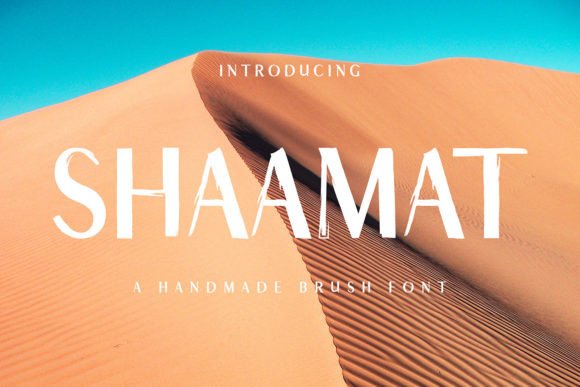
Shaamat is a cool and unique display font designed to stand out while maintaining readability. It has a modern yet expressive personality that works well across a variety of applications. Whether you're designing packaging, creating social media graphics, or building your website, Shaamat offers a versatile solution that can elevate your brand's visual appeal.
What Makes Shaamat Stand Out?
Shaamat is a display font with a bold and eye-catching style. Its clean lines and dynamic curves give it a contemporary feel that feels both fresh and professional. It’s not just for headlines—it can also work as an accent font or even a supporting typeface when used in moderation.
The font’s personality is friendly yet confident, making it ideal for brands that want to convey approachability and creativity. Its versatility allows it to adapt to different industries and audiences, from boutique shops to digital services. Whether you're running a café, selling handmade products, or offering online coaching, Shaamat can fit seamlessly into your brand identity.
Real-World Applications of Shaamat
Using the right font can make all the difference in how your brand is received. Shaamat is perfect for a wide range of business materials, including:
- Logos: Create a memorable logo that stands out on your website and marketing materials.
- Business Cards: Make your contact information pop with a font that reflects your brand’s character.
- Product Labels: Use Shaamat to label your handmade candles, skincare products, or artisanal goods.
- Packaging Design: Add a touch of style to your product boxes, bags, or containers.
- Thank-You Cards: Personalize your customer appreciation notes with a font that feels warm and inviting.
- Stickers: Use Shaamat for branded stickers that can be used on promotional items or packaging.
- Menus: Give your café or restaurant menu a modern and appealing look with this stylish font.
- Flyers: Capture attention with eye-catching headlines and text that aligns with your brand voice.
- Website Banners: Use Shaamat for headers and call-to-action buttons to guide visitors through your site.
- Social Media Posts: Boost engagement by using Shaamat in Instagram captions, Pinterest graphics, and Facebook ads.
- Digital Ads: Make your online ads more visually engaging with a font that commands attention.
By incorporating Shaamat into these materials, you create a cohesive brand experience that resonates with your audience and reinforces your brand’s identity.
How Shaamat Enhances Brand Consistency
Consistency is key in branding. When your fonts are aligned across all touchpoints, your brand becomes more recognizable and trustworthy. Shaamat helps maintain this consistency by providing a strong visual anchor that appears in your logo, website, packaging, and social media content.
For example, a bakery might use Shaamat in its logo and on its product labels, ensuring that every item feels like part of the same brand. Similarly, a boutique could use Shaamat in its website banners and email newsletters, creating a seamless brand experience for customers.
Using Shaamat consistently also helps build trust. When your brand uses the same font across all platforms, customers begin to associate that font with your business. This recognition can lead to increased loyalty and repeat business.
When to Use Shaamat: Headlines, Logos, and More
Shaamat is best used as a headline or display font due to its bold and striking appearance. It works particularly well for titles, logos, and any text that needs to grab attention. However, it should be used sparingly to avoid overwhelming your design.
As an accent font, Shaamat can add a creative flair to your designs without overshadowing other elements. For instance, you might use it in a call-to-action button on your website or in a tagline on your social media posts.
If you’re looking for a supporting typeface, consider pairing Shaamat with a clean sans-serif font for better readability. This combination can help balance the visual impact of Shaamat with the clarity needed for body text.
Readability Matters
While Shaamat is visually appealing, it’s important to ensure that it remains readable in real-world settings. Always test the font on small labels, mobile screens, printed packaging, and social media thumbnails to confirm that it works effectively in different formats.
For example, if you’re using Shaamat on a product label, make sure the text is large enough to be easily read at a glance. Similarly, when using it on your website, ensure that it doesn’t compromise the legibility of your content, especially on smaller screens.
Font Pairing Tips
Pairing Shaamat with the right complementary font can enhance your design and improve readability. Here are a few practical pairing ideas:
- Shaamat + Clean Sans Serif Font: Ideal for balancing creativity with professionalism.
- Shaamat + Readable Serif Font: Great for adding personality to formal or elegant designs.
- Shaamat + Modern Script Font: Perfect for creating a cohesive and stylish look.
Experiment with different combinations to find what works best for your brand and your target audience.
Important Considerations Before Using Shaamat
Before using Shaamat across your entire brand, be sure to check the commercial font licensing terms. Ensure that the font is allowed for use on products, packaging, templates, merchandise, client work, and digital downloads. This will help you avoid any potential legal issues and ensure that your brand remains compliant.
Testing Shaamat in various contexts before committing to it can also help you make an informed decision. Try using it in your logo, website, and social media content to see how it performs in real-world scenarios.